
Learn how Trojans steal passwords banking credentials and sensitive personal information Discover modern credential theft techniques banking malware attacks and the best cybersecurity defenses
Why password stealing Trojans are extremely dangerous
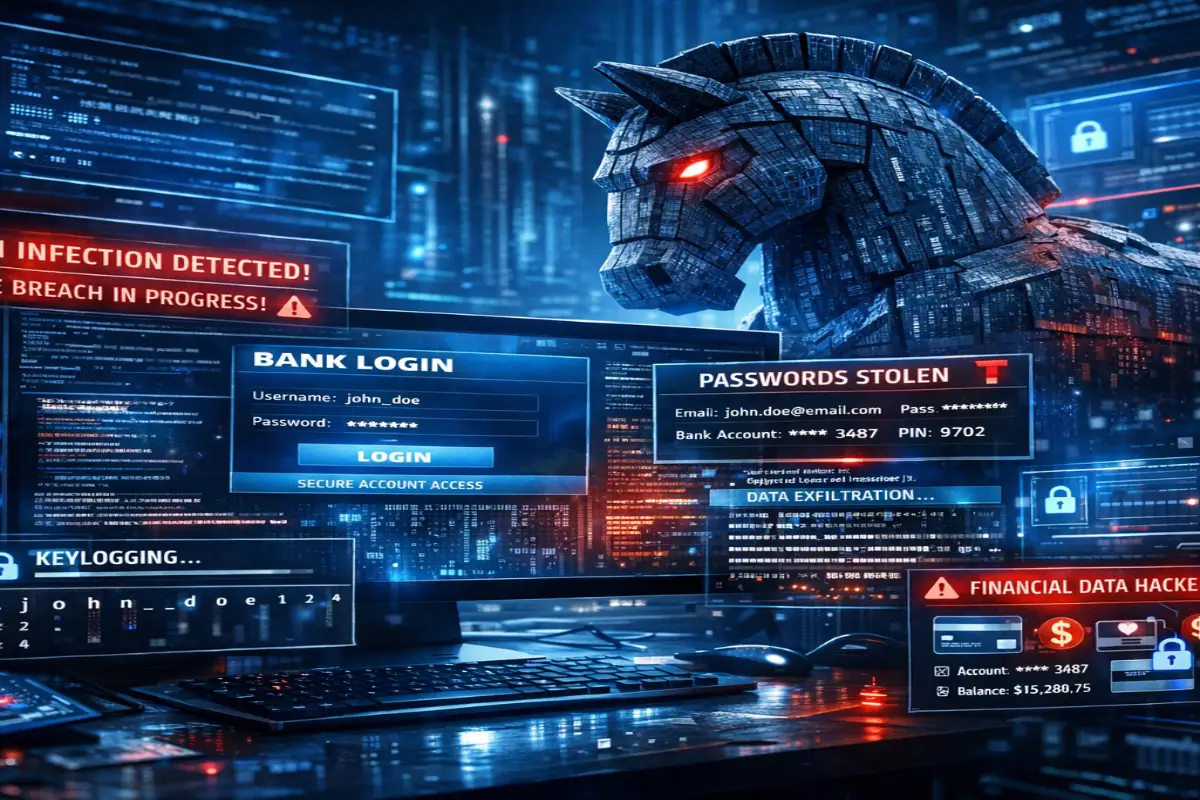
how Trojans steal passwords has become one of the most critical cybersecurity concerns because credential theft malware now targets millions of users every year Cybercriminals no longer focus only on damaging computers Modern attacks prioritize stealing sensitive information that can generate direct financial profit
Password stealing Trojans secretly collect
Email credentials
Online banking logins
Cryptocurrency wallet access
Browser cookies
Social media passwords
Cloud storage accounts
Business credentials
Once attackers gain access they may steal money commit identity fraud sell credentials on dark web marketplaces or launch ransomware attacks against victims
Modern banking Trojan malware is highly sophisticated Many threats remain hidden for weeks or months while continuously monitoring user behavior This allows attackers to gather large amounts of valuable information before detection occurs
Cybersecurity experts warn that phishing campaigns artificial intelligence fake browser updates malicious browser extensions and cracked software continue fueling credential theft operations globally
Understanding how Trojans steal passwords helps users recognize risks before becoming victims
What is a password stealing Trojan
A password stealing Trojan is malware specifically designed to collect sensitive login credentials and financial information from infected devices
Unlike ransomware which immediately demands payment banking Trojans operate silently to maximize long term profit
Main goals of credential stealing malware
Cybercriminals use these attacks to
Access online banking accounts
Steal cryptocurrency
Hijack email accounts
Bypass two factor authentication
Collect personal identity data
Access business networks
Many modern Trojan families combine multiple attack methods simultaneously
How infections usually begin
Most credential theft infections start through
Phishing emails
Fake software downloads
Pirated applications
Malicious browser extensions
Infected advertisements
Fake security alerts
Users often unknowingly install malware believing the files are legitimate
Keylogging attacks
Keylogging is one of the oldest and most effective password theft techniques used by Trojan malware
How keyloggers work
Keyloggers record every keystroke typed on an infected device including
Passwords
Banking logins
Private messages
Search activity
Credit card information
The stolen information is then transmitted to attacker controlled servers
Why keyloggers are dangerous
Keyloggers can bypass many traditional security measures because they capture information directly from the keyboard before encryption occurs
Even strong passwords become useless if attackers record every keystroke
Advanced keylogging techniques
Modern Trojans may also
Capture screenshots
Monitor clipboard activity
Record browser sessions
Track mouse clicks
These features help attackers gather additional sensitive information
Banking Trojan malware
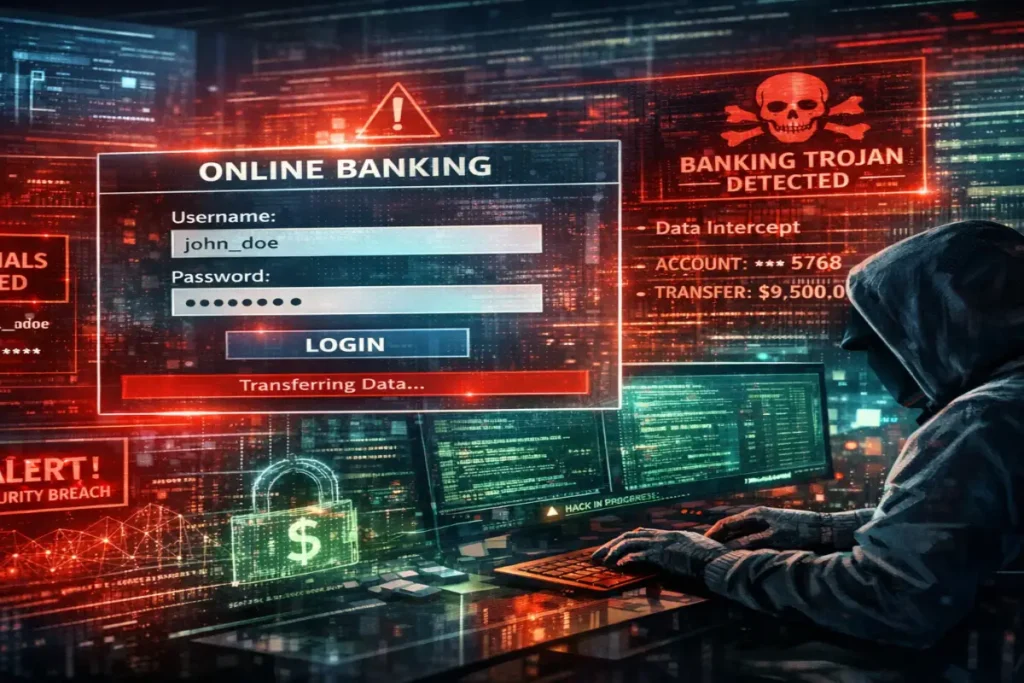
Banking Trojans specifically target financial platforms and online banking sessions
How banking malware operates
Banking Trojans monitor browsers for financial activity Once users access banking websites the malware activates specialized attack modules
These attacks may include
Fake banking login pages
Session hijacking
Credential interception
Transaction manipulation
Some banking malware even injects fake forms directly into legitimate banking websites
Famous banking Trojan families
Historically dangerous banking Trojans include
Zeus
Dridex
Emotet
TrickBot
QakBot
These malware campaigns caused billions of dollars in damages worldwide
Why online banking users are targeted
Financial accounts provide immediate monetary value for attackers making banking credentials highly profitable on underground criminal marketplaces
Browser cookie theft
Modern Trojan malware increasingly steals browser session cookies instead of passwords
What are session cookies
Cookies store login sessions allowing users to remain signed into websites without re entering passwords repeatedly
How attackers exploit cookies
If malware steals active session cookies attackers can hijack accounts directly without knowing the password
This method targets
Email accounts
Social media platforms
Cloud storage
Cryptocurrency exchanges
Online banking sessions
Why cookie theft is difficult to detect
Victims may not realize accounts were compromised because passwords remain unchanged
Attackers simply reuse stolen session data to bypass authentication
Clipboard hijacking attacks
Clipboard hijacking malware targets cryptocurrency users and financial transactions
How clipboard hijackers work
When users copy cryptocurrency wallet addresses malware automatically replaces them with attacker controlled addresses
Victims unknowingly send cryptocurrency payments directly to cybercriminals
Why crypto users are heavily targeted
Cryptocurrency transactions are difficult or impossible to reverse making digital assets highly attractive for attackers
Browser injection attacks
Some advanced Trojans inject malicious code directly into browsers
Goals of browser injection
Attackers use browser injection to
Modify banking pages
Capture login forms
Redirect transactions
Display fake security prompts
Users may believe they are interacting with legitimate websites while malware secretly manipulates sessions
Fake two factor authentication prompts
Certain Trojans display fake MFA requests to steal verification codes in real time
This allows attackers to bypass additional security layers
Phishing assisted password theft
Phishing remains one of the biggest malware distribution methods
How phishing campaigns spread Trojans
Attackers impersonate
Banks
Delivery companies
Streaming platforms
Government agencies
Employers
Victims receive fake emails containing malicious links or infected attachments
AI powered phishing attacks
Artificial intelligence now helps attackers create more convincing phishing campaigns with realistic language and personalized content
These campaigns increase infection success rates significantly
Password manager targeting
Although password managers improve security overall malware developers increasingly target them
How Trojans attack password managers
Attackers may attempt to
Capture master passwords
Monitor unlocked sessions
Steal browser autofill data
Record clipboard activity
Why password managers still improve security
Despite these risks password managers remain safer than reusing weak passwords across multiple accounts
Unique credentials reduce large scale compromise risks
Trojan virus removal → Trojan virus removal Ultimate guide to detect remove and prevent infections in 2026]
Email account compromise
Email accounts are extremely valuable because they allow attackers to reset passwords for other services
Risks of email compromise
Attackers may gain access to
Bank accounts
Social media
Cloud storage
Business systems
Cryptocurrency platforms
Email security should be treated as a top cybersecurity priority
Signs email credentials were stolen
Password reset notifications
Unknown login alerts
Sent messages not created by user
Missing emails
Victims should respond immediately to suspicious account activity
Cryptocurrency wallet theft
Cryptocurrency investors face growing malware risks
How Trojans target crypto wallets
Malware may
Steal recovery phrases
Capture wallet passwords
Monitor clipboard activity
Hijack browser wallet sessions
Common targeted wallets
Attackers frequently target
MetaMask
Trust Wallet
Coinbase Wallet
Binance accounts
Large cryptocurrency holdings make victims attractive targets
Remote access Trojans and financial theft
Remote access Trojans provide attackers with complete device control
Capabilities of RAT malware
Attackers may
Monitor screens
Activate webcams
Record audio
Browse files
Install additional malware
Financial risks
RAT infections can expose
Banking logins
Tax documents
Business accounts
Personal identity information
These attacks may remain hidden for long periods
How attackers sell stolen passwords
Credential theft generates massive underground criminal profits
Dark web credential marketplaces
Stolen credentials are commonly sold through underground forums and marketplaces
Popular targets include
Bank accounts
Streaming services
Business VPN accounts
Gaming accounts
Social media profiles
Credential stuffing attacks
Attackers reuse stolen passwords across multiple platforms because many users recycle credentials
This increases the damage caused by a single compromise
How to protect against password stealing Trojans
Strong cybersecurity habits significantly reduce infection risks
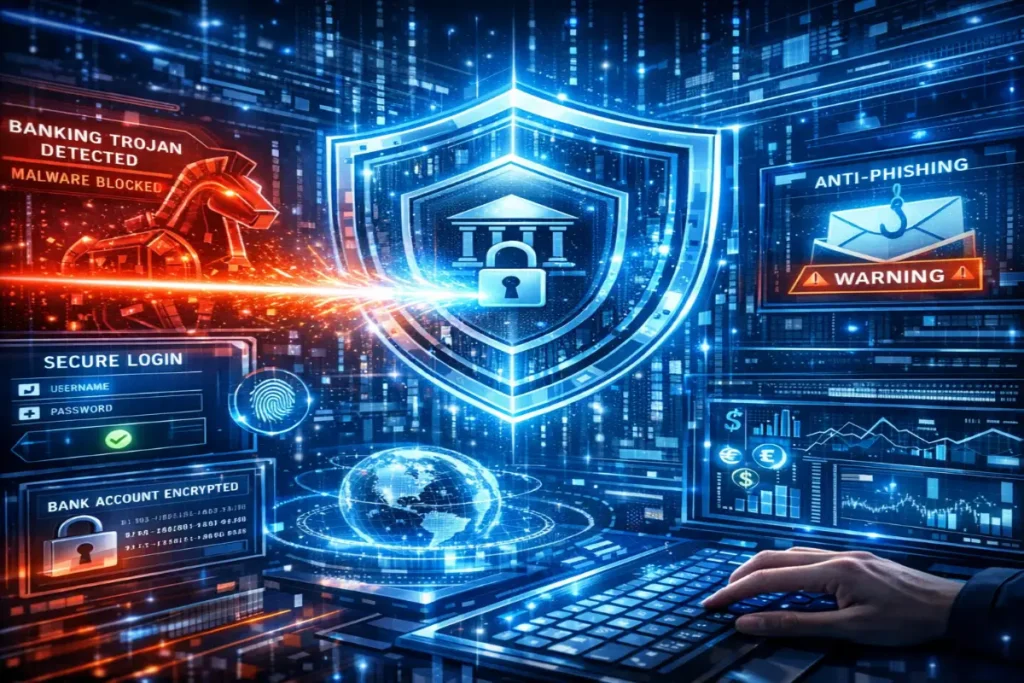
Use reputable antivirus software
Recommended security tools include
Bitdefender
Norton
ESET
Malwarebytes
Sophos
Real time malware detection is essential
Avoid pirated software
Cracked applications remain one of the biggest malware distribution channels worldwide
Enable multi factor authentication
MFA adds additional security layers even if passwords are stolen
Keep browsers and operating systems updated
Security patches reduce vulnerabilities exploited by attackers
Use secure password managers
Password managers help generate strong unique credentials for every account
Learn phishing awareness
Users should carefully inspect
Emails
Attachments
Download links
Browser notifications
before interacting with suspicious content
What to do if malware steals your passwords
Immediate response reduces long term damage significantly
Disconnect infected devices
Remove internet access immediately to stop ongoing data transmission
Change passwords from a clean device
Never update passwords on infected systems
Monitor banking activity
Users should inspect
Bank transactions
Credit card statements
Cryptocurrency wallets
for suspicious activity
Contact financial institutions
Banks should be informed immediately if credential compromise is suspected
Enable fraud monitoring
Identity monitoring services can help detect unauthorized account activity and financial fraud